Friday, September 26, 2014

European Driving Adventure


Ashley came for her second visit during the month of July this year. We were delighted to have her stay with us for over two weeks. During her stay our two main trips were a day trip to Paris and a long weekend road trip. 
Ashley and Ryan in Paris
 Paris
Like Ashley’s last visit to Germany we made a day trip to Paris using Germany’s high-speed train. We were excited to have Ryan join us this time. Since the three of us had already made at least one trip to Paris we decided to see different parts of the city. Our first stop was La Grande Arche de la Défense. This structure is a monument and building in the business district of La Défense. La Défense is known as the futuristic business district of Paris. The monument is a 20th-century version of the Arc de Triomphe and a monument to humanity and humanitarian ideals rather than military victories. The construction of the monument began in 1985 and was completed in 1989. The Arche is gigantic: it is twice the size of the Arc de Triomphe and its archway is large enough to fit the Notre-Dame Cathedral. 
La Grande Arche de la Défense
 Our next stop was Montmartre, a 130-meter high hill in the northern part of Paris. Montmartre is known for the white-domed Basilica of the Sacré Coeur on its summit. In 1870 following the military defeat of France by Prussia a project began to build a church in Paris dedicated to the Sacred Heart of Jesus, as a sign of penitence, trust, hope, and faith. In June of 1875 the first stone of the basilica was laid. The basilica was finally consecrated in October of 1919. We spent time exploring the basilica and climbing the 300 steps to the top of the dome. The breathtaking view of Paris and the Eiffel tower from the top of the dome was definitely worth the climb. 
A View of the City from Montmartre
The Eiffel Tower from Montmartre
Basilica of the Sacré Coeur
 The final major stop of the day was the Jardin du Luxembourg or Luxembourg Garden. The widow of King Henry IV created the garden in the beginning of 1612 to go along with her new residence at Luxembourg Palace. Today the garden is owned by the French Senate, which meets in the Palace. The park, which covers 23 hectares, is known for its lawns, tree-lined promenades, flowerbeds, and statues. We spent time exploring the garden in search of the small-scale model of the Statue of Liberty. On this beautiful sunny day we also took some time to relax, enjoy the garden, and sample some refreshing ice cream. 
Luxembourg Palace
Statue of Liberty in Luxembourg Garden
 Amsterdam
Over the Fourth of July weekend we set out on a four-day driving excursion.  After leaving Friday morning our first stop was Amsterdam, the capital city and most populous city within the Netherlands. Amsterdam became one of the most important ports during the Dutch Golden Age (17th century) and was the leading center for finance and diamonds. 
Houses in Amsterdam
 One of the best ways to explore Amsterdam is by way of its 17th century canals. After finding our hotel we set out to find a guided canal tour. Amsterdam has a rich architectural history. On our canal tour we were amazed by the beautiful views on the canals and bridges, merchant’s houses, 17th century gables, and the multitude of houseboats. Our tour took us through the Red Light District and along side Mint Tower. Mint Tower is one of the city’s most visible landmarks. The bell tower has a clock on each of its four sides and was originally part of Amsterdam’s fortified city wall. The tower gained its name in the 17th century when the French occupied parts of the Netherlands forcing the Dutch to move their coin minting operations to this location. 
Amsterdam Canal

Seven Bridges on the Amsterdam Canals

Mint Tower

House Boats on One of the Canals


After spending the night in Amsterdam we decided to see more of the city by land. We used the Hop on Hop off bus to take us to the sites we were interested in learning more about. Our first stop was Gassan Diamonds where rough diamonds are transformed into dazzling jewels. Gassan is know for its over 400 years of craftsmanship and tradition. On our tour we were able to watch diamond polishers at work while a guide explained the diamond cutting and shaping process. 
A Small Glimpse of the Multitude of Bikes in Amsterdam
Our next stop was the Heineken experience. Heineken is a historic brewery and corporate visitor center for Heineken beer. The industrial facility was built as the first Heineken brewery in 1867 and remained the primary brewing facility until 1988 when a larger facility was built outside the city. The Heineken experience is comprised of four levels of historical artifacts, product exploration, sampling, horse stable, and interactive exhibits. We had a great time touring the facility and enjoying the interactive exhibit where we were bounced along an assembly line like beer bottles. 
Old Heineken Logo
Heineken brewery
One of the Many Interactive Exhibits at Heineken
 Rotterdam
Exploring a Park in Rotterdam
In the afternoon we left Amsterdam and headed for the city of Rotterdam. Rotterdam is the second-largest city in the Netherlands and one of the largest ports in the world. Beginning as a dam constructed in 1270 on the Rotte River, Rotterdam has grown into a major international commercial center.  Rotterdam is known for its university, cutting-edge architecture, lively cultural life, striking riverside setting, and maritime heritage. Rotterdam is home to the largest port in Europe and the fourth busiest port in the world. The port was the world’s busiest from 1962 to 2004 when it was surpassed by Shanghai. 
Rotterdam Port
 Rotterdam is also home to the Euromast. The Euromast is a 607-feet tower and the highest lookout tower in the Netherlands. The view from the top gives an amazing view over Rotterdam, the port, and beyond. Above the observation platform is the Euroscope, a rotating lift that provides a 360-degree panoramic view of the city surrounding area. We enjoyed the views of the city while the sun was setting. After leaving the tower we walked through the city taking in the architecture and the people. The city was buzzing with orange jerseys as the Netherlands prepared to play in the world cup. It was an exciting night for the Netherlands, but a sleepless night for us as many were out celebrating in the streets until all hours. 
Euromast Tower
A View of Rotterdam from the Euromast Tower


North Sea
Beach Along the North Sea
 The next morning we were ready to leave the city for a drive along the North Sea coastline. The North Sea is a marginal sea of the Atlantic Ocean located between Great Britain, Scandinavia, Germany, the Netherlands, Belgium, and France. The North Sea is more than 600 miles long and 260 miles wide. We made a stop at one of the many beaches along the coast. We enjoyed the sand beneath our toes, picking up seashells, and playing in the water. After leaving the beach we continued along the coast enjoying lighthouses and the windmills the Netherlands is famous for. 
Ryan in the North Sea
A Lighthouse Along The North Sea Coast
One of the Windmills we Saw in the Netherlands
Bruges
City Hall in Bruges
 We ended our day when we arrived in the city of Bruges. Bruges is the capital and largest city in the Flemish Region of Belgium. Bruges is a canal-based city and is known as the “Venice of the North” because of its many winding waterways. We spent Sunday evening exploring this beautiful city and enjoying some traditional Flemish food. 
One of the Beautiful Canals in Bruges
On Monday morning we headed to the town square where we began our horse drawn carriage ride with a guide telling us all about the lovely city of Bruges. Many of the medieval buildings in Bruges are notable, including the Church of Our Lady, whose brick spire reaches 401 feet, making it one of the world’s highest brick towers. The sculpture Madonna and Child (1504) can be seen in the transept and is believed to be Michelangelo’s only sculpture to have left Italy within his lifetime. Bruges most famous landmark is its 13th-centruy belfry, housing a municipal carillon comprised of 48 bells.  After our carriage ride we spent more time exploring the city and the Church of Our Lady. Bruges was the final stop on our driving excursion. 
Carriage Ride in Bruges
Church of Our Lady
Houses in Bruges
Madonna and Child Statue

Sunday, September 7, 2014

Exploring The Emerald Isle

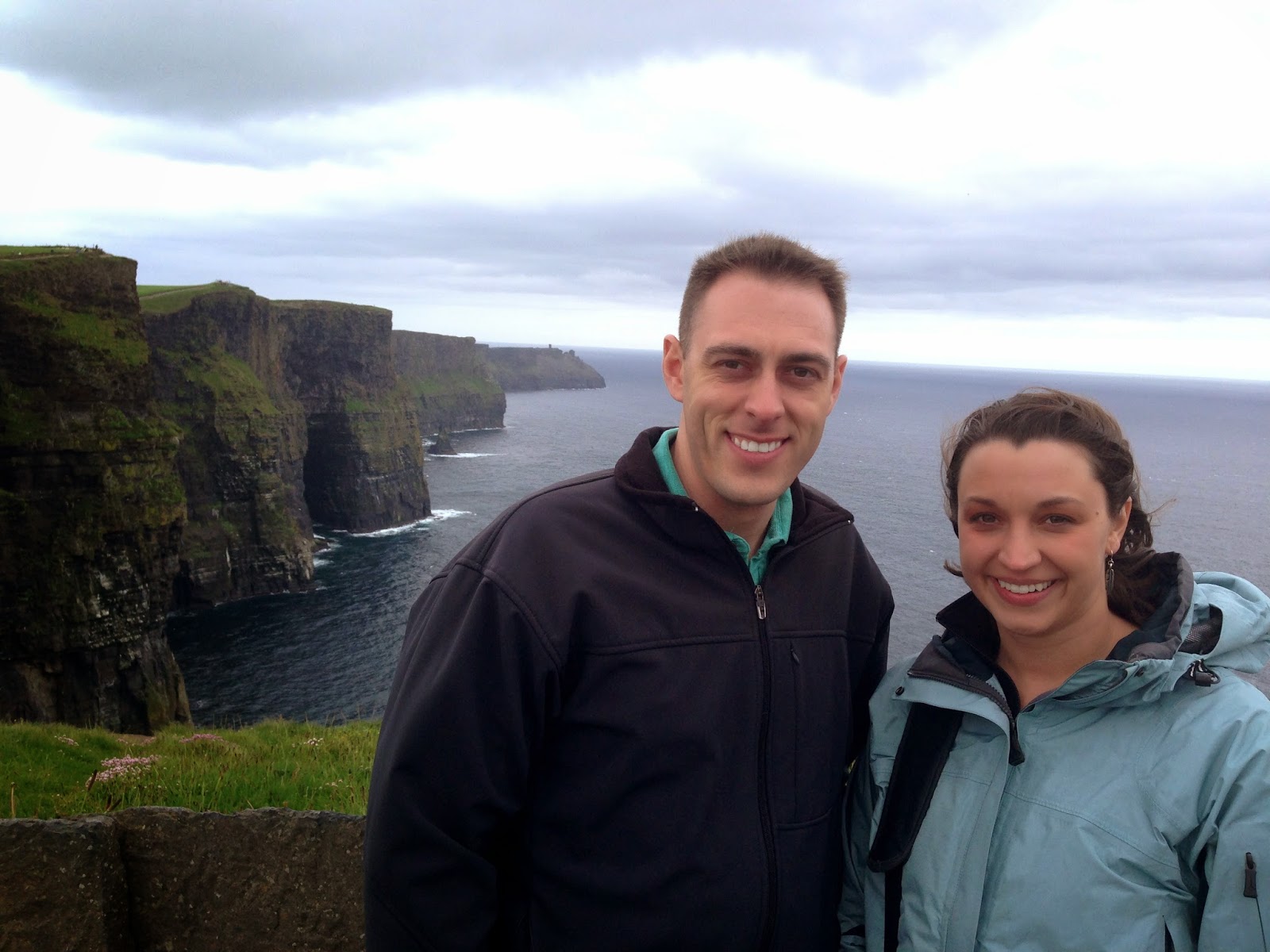
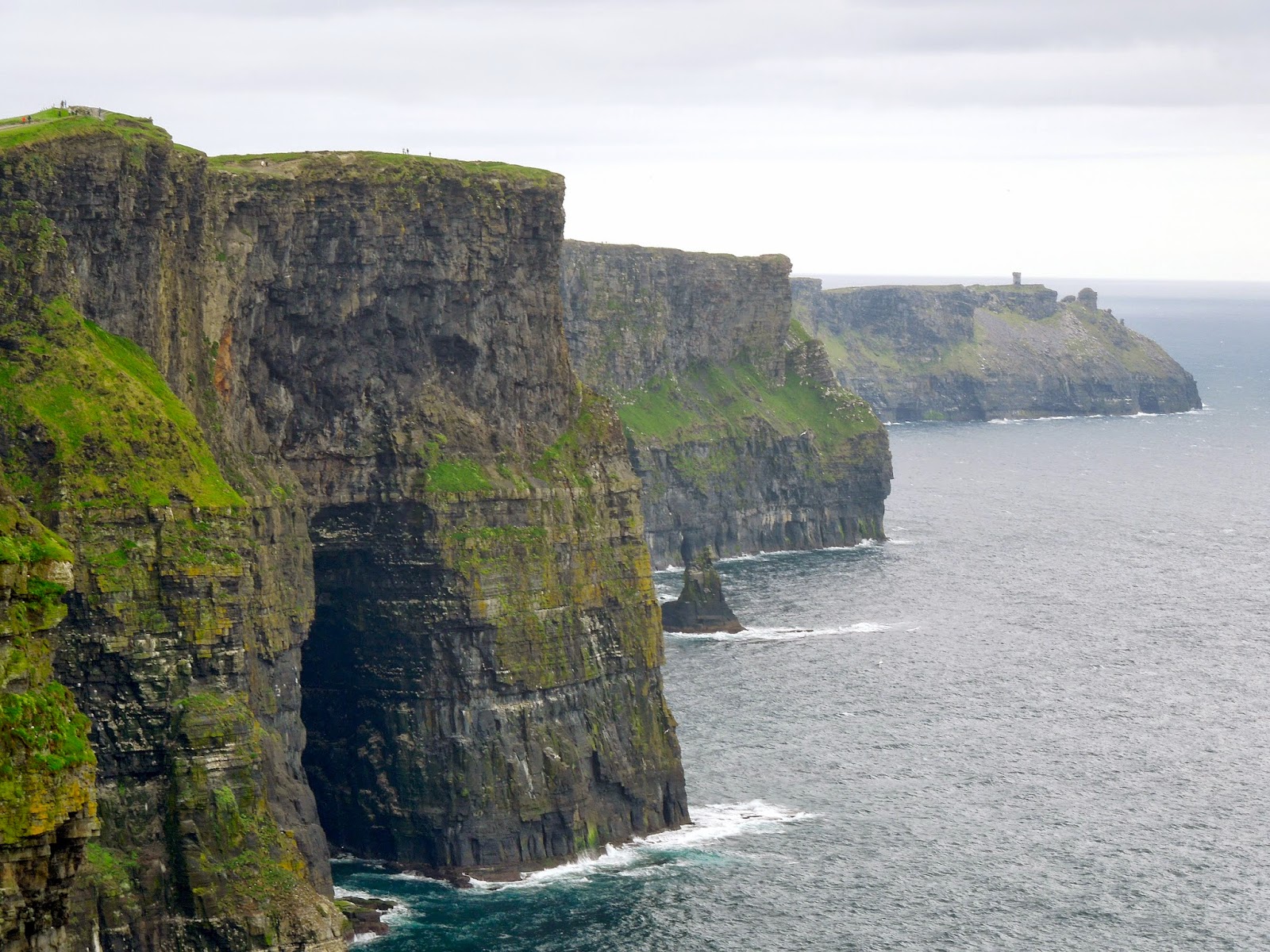
Cliffs of Moher

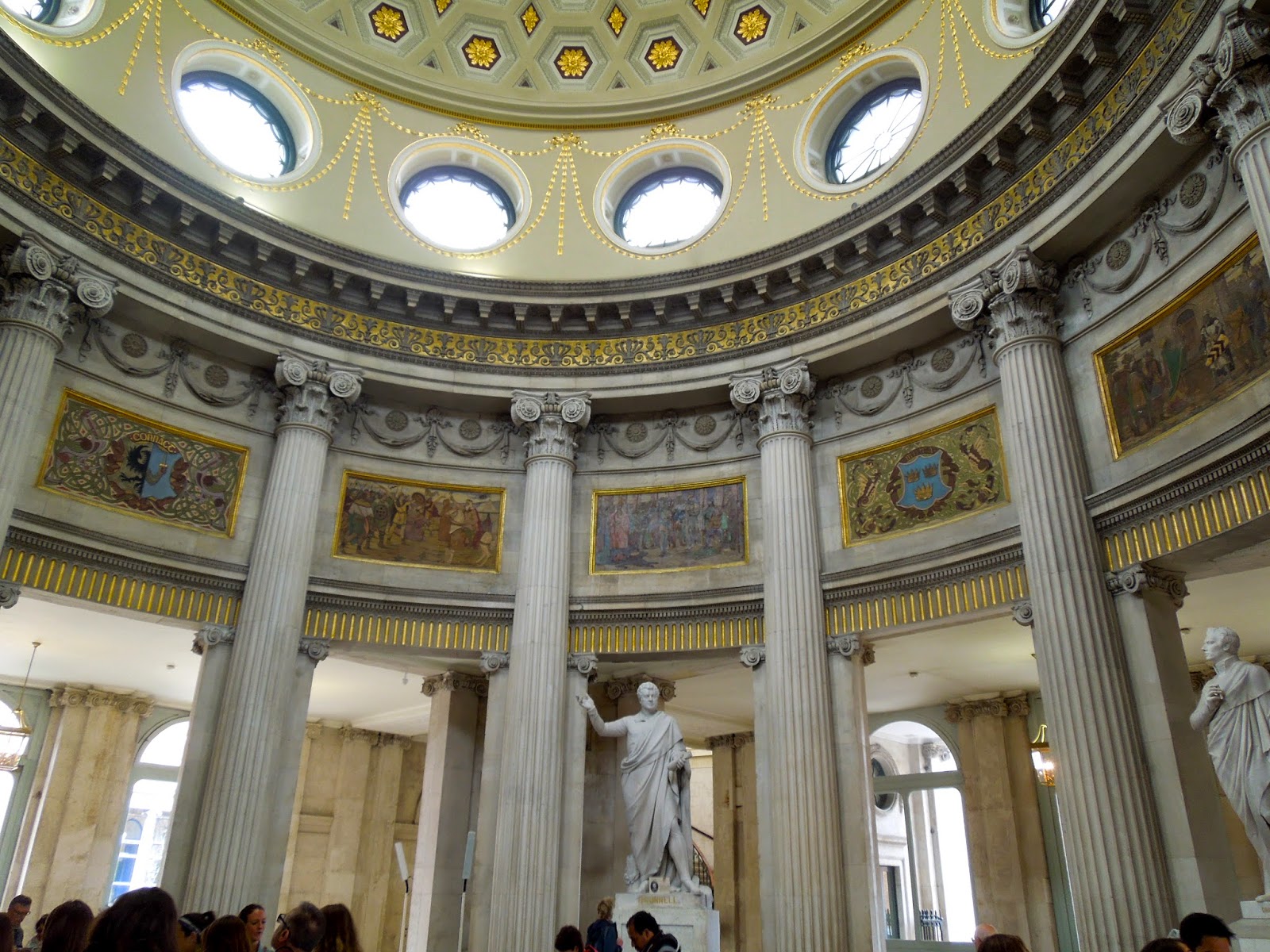
Over Memorial Day weekend we took a trip to Ireland. We arrived at our Dublin hotel on Thursday night and our adventure began on Friday morning with a Sandman walking tour. The first stop on our tour was City Hall. The building was built between 1769 and 1779 and was the center of British government in Ireland until 1922.  The function of the building was to provide a meeting place for Dublin’s businessmen, where they could buy and sell goods and trade.  Today the Dublin City Council meets in the building. 
Inside Dublin City Hall
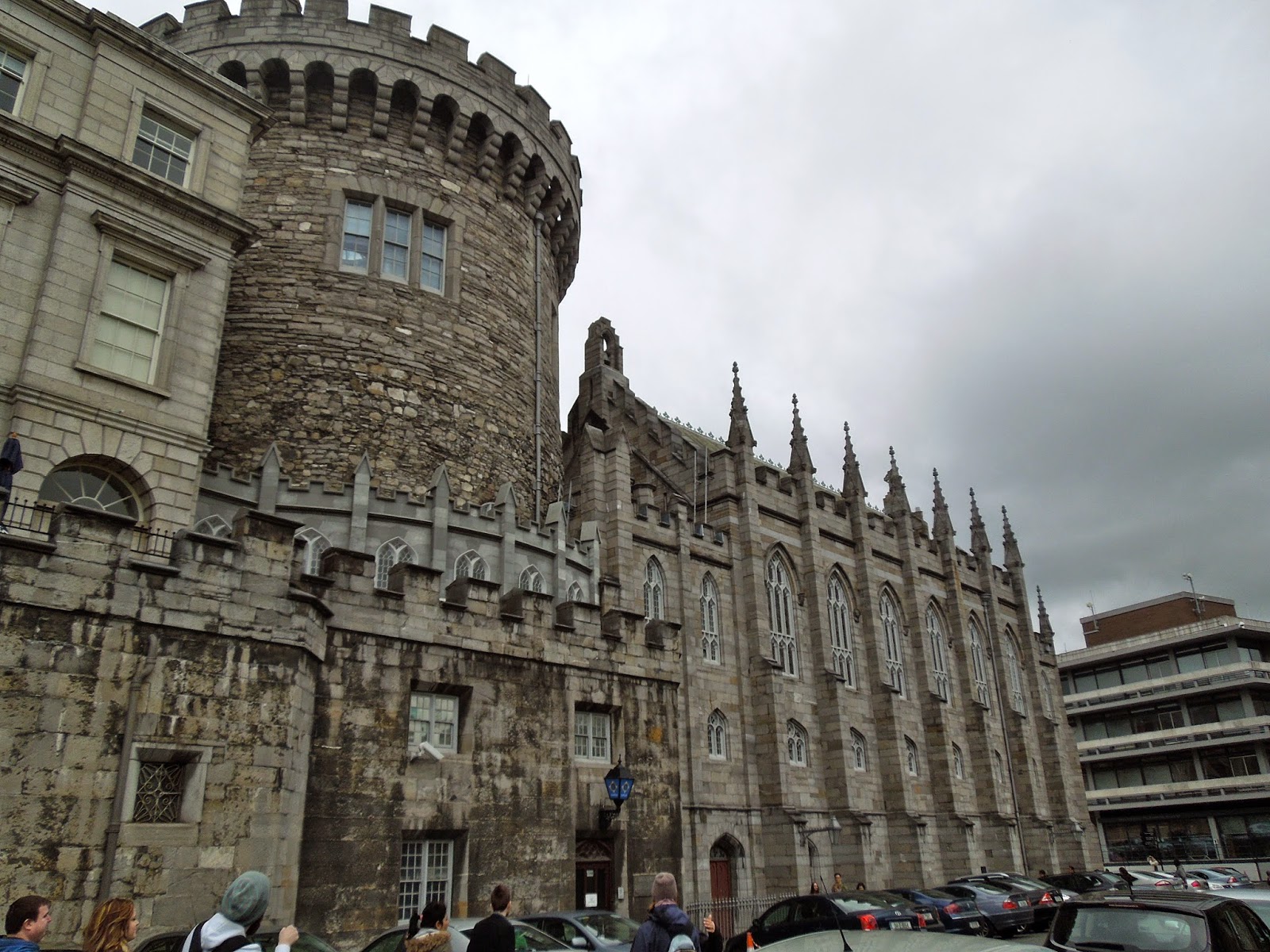
 After leaving City Hall we walked to the nearby Dublin Castle. Until 1922 the castle was the seat of British rule in Ireland and is now a major Irish government complex. Most of the castle dates from the 18th century and was originally built as a defensive fortification for the city. Today the castle is used for inauguration ceremonies, hosting official State visits, State banquets, and Government policy launches. 
Dublin Castle
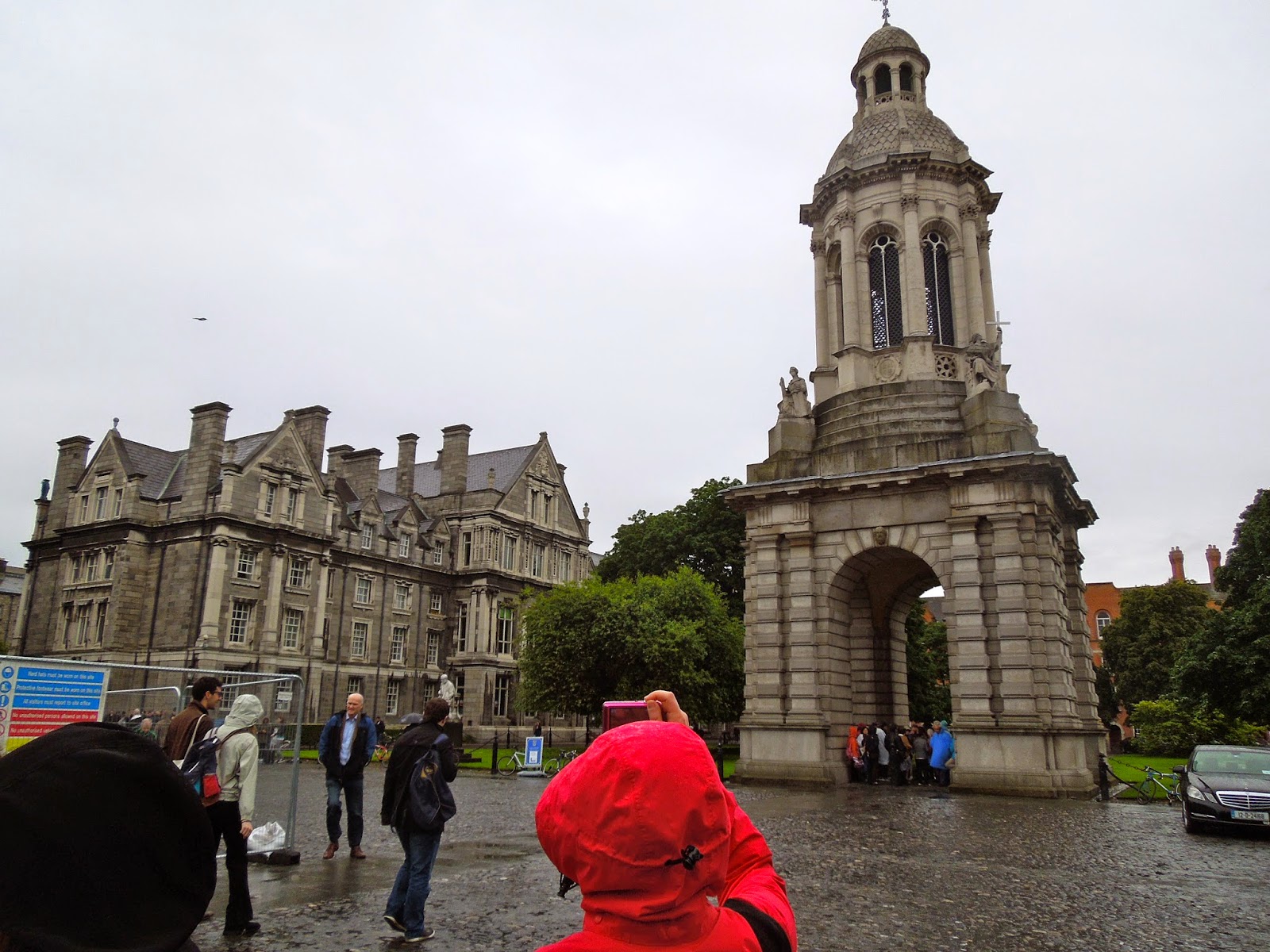
 Our walking tour also took us to the medieval walls of Dublin, The National Library, Trinity College, and other famous Dublin sights. Trinity College was founded in 1592 and was modeled after Oxford and Cambridge.  The oldest university in Ireland was seen as the university of the Protestant Ascendancy during much of its history. 
Grounds of Trinity College
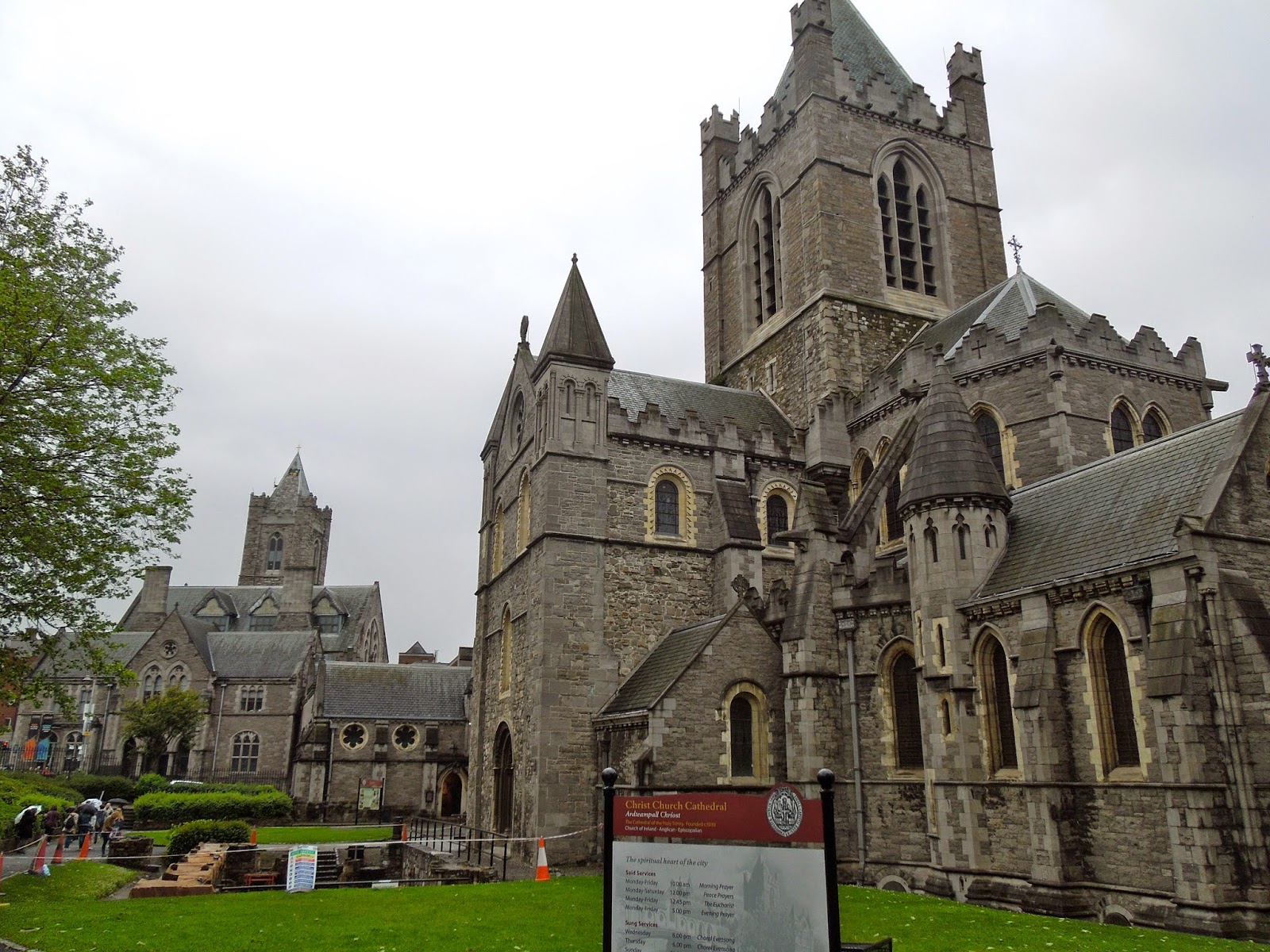
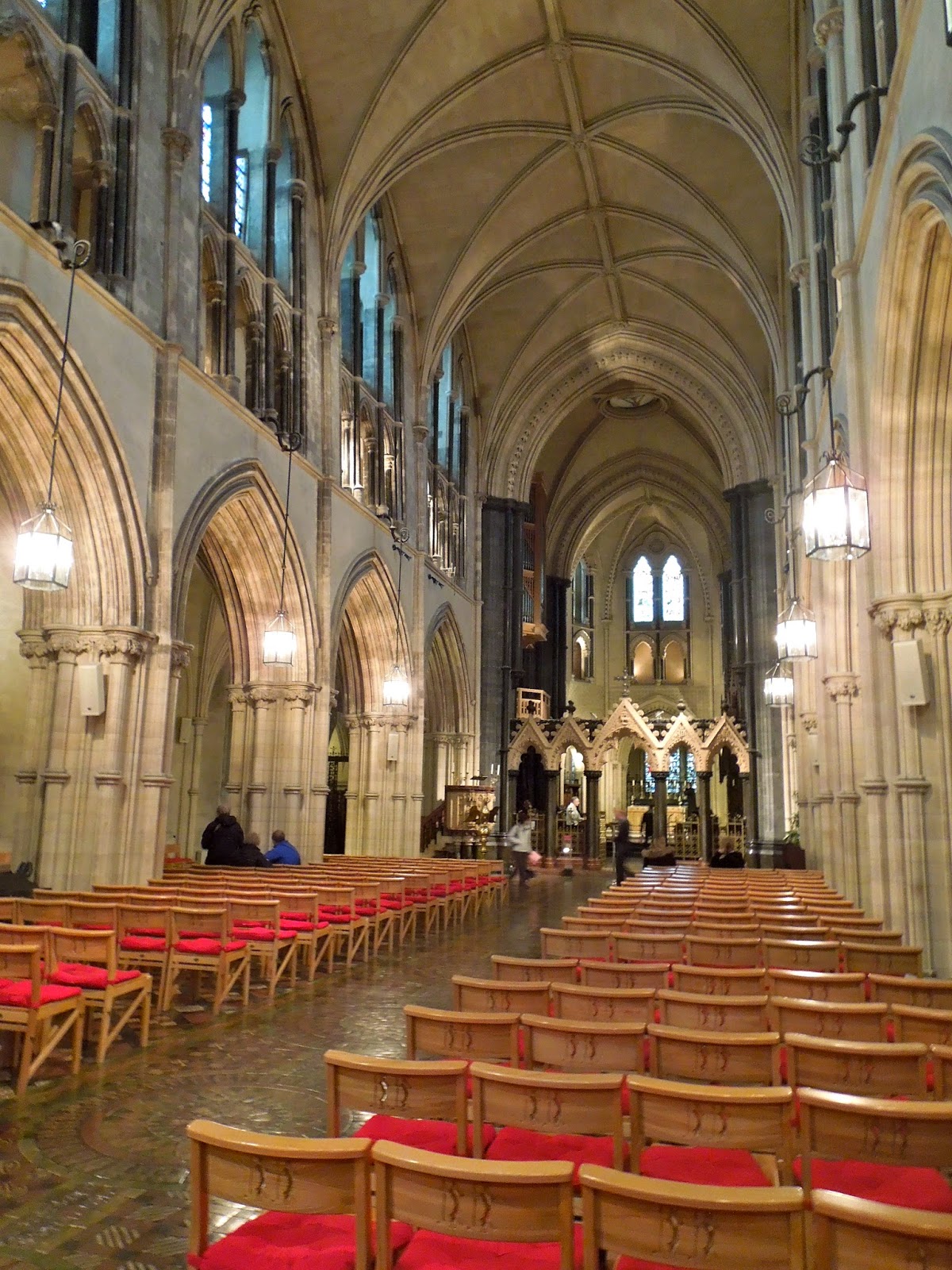
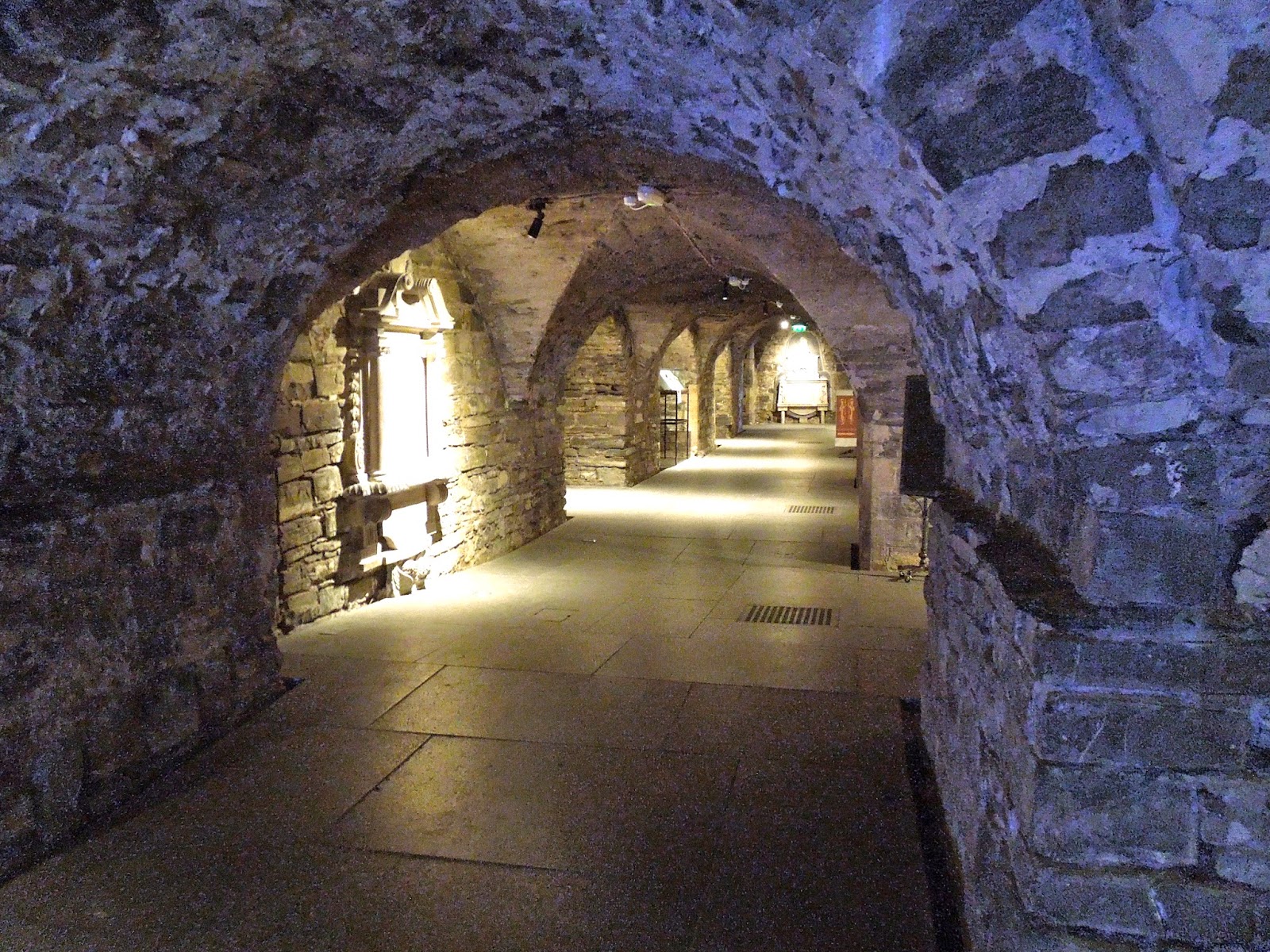
 Christ Church Cathedral was another stop on our walking tour. We later spent more time walking through the cathedral and grounds. The medieval cathedral was founded around 1028 and was built on high ground overlooking the Viking settlement of Wood Quay. Christ Church also contains the largest cathedral crypt in Britain or Ireland, which was constructed in 1172-1173.  We spent time exploring both the cathedral and the crypt. 
Christ Church Cathedral
Inside Christ Church Cathedral
 
Christ Church Cathedral Crypt


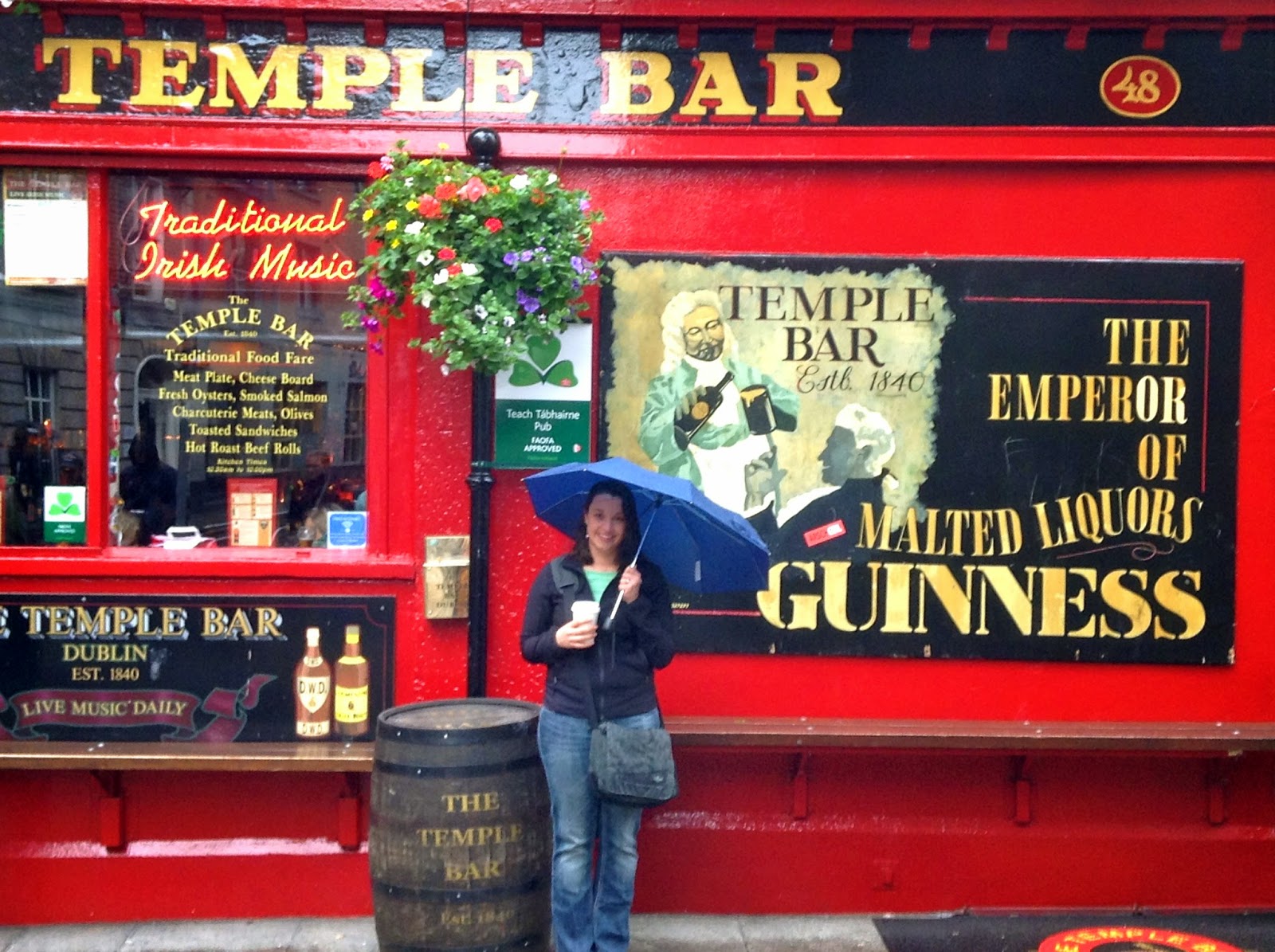
Temple Bar is an area on the south bank of the River Liffey in central Dublin. The area has preserved its 18th century street pattern, with many narrow cobbled streets. Many believe Temple Bar Street received its name from the Temple family. Specifically Sir William Temple, provost of Trinity College from 1609-1627. Sir William’s house and gardens were located in the area in the early 17th century. Today the area is known for its lively nightlife, traditional Irish hotspots, and famous Temple Bar Pub. Our walking tour took us through this area and we later returned and enjoyed fish and chip at a couple of different pubs. 
Temple Bar District
 On Saturday we left Dublin on a day trip to the Cliffs of Moher. The cliffs are located on Ireland’s West coast. Our bus traveled through the countryside of Ireland where we took in the sights of shimmering lakes, rolling hills, and medieval castles. The first stop on our trip was in the city of Limerick. This Mid-West Irish city began as a Viking colony in 812. Today Limerick is the fourth most populous city in Ireland. In Limerick we spent time taking pictures of the imposing King John’s Castle. The 13th century castle is located next to the river Shannon and was built in 1200. 
King John's Castle
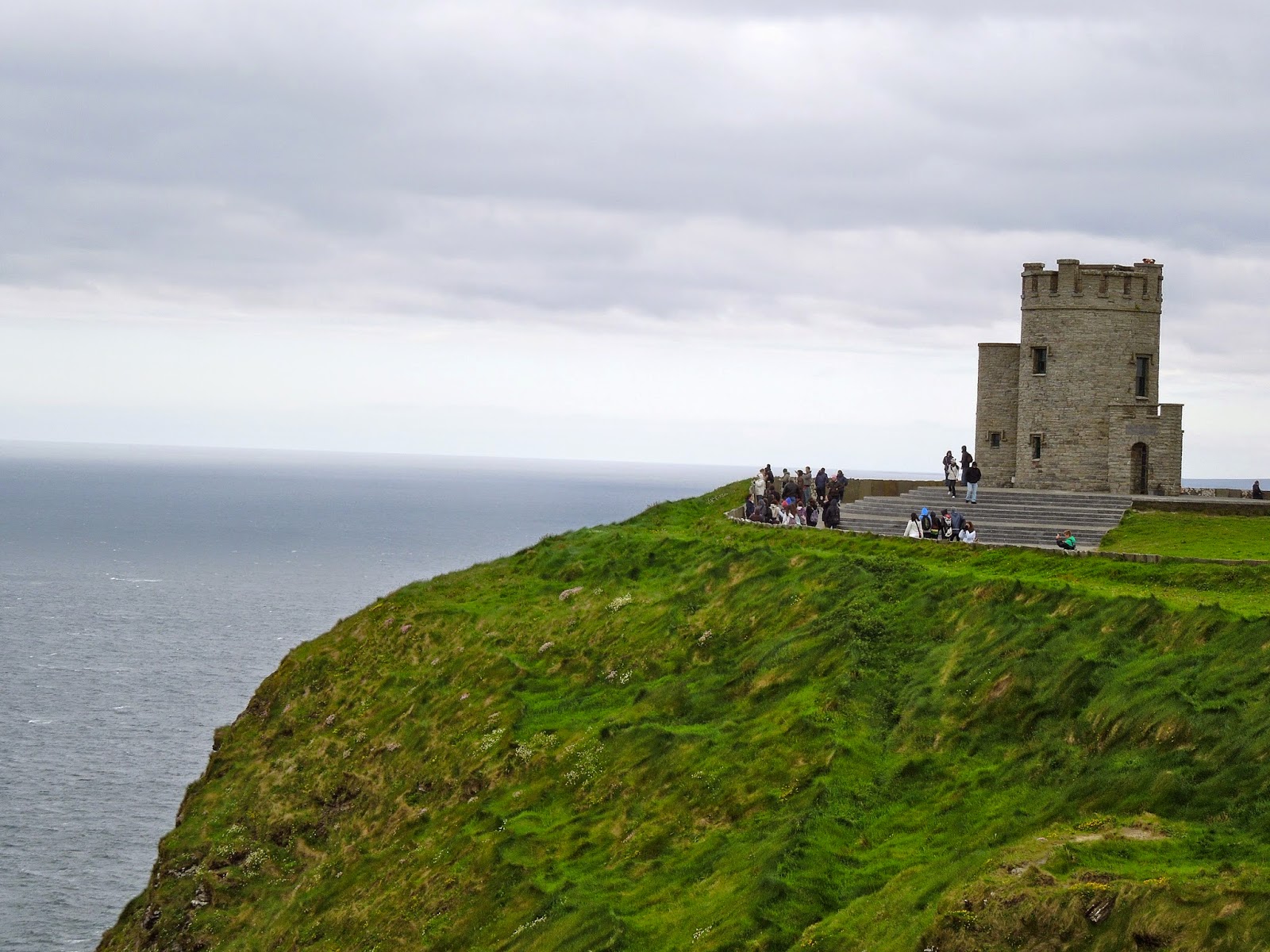
 Our next stop was the main attraction the beautiful Cliffs of Moher. The cliffs are 702 feet high at their highest point and span more than 5 miles of the Atlantic coastline. The cliffs take their name from an old fort called Moher, which once stood on the southernmost point of the cliffs. O’Brien’s Tower marks the highest point of the Cliffs of Moher. Sir Cornelius O’Brien built the round stone tower on the cliffs in 1835 as an observation tower for the hundreds of Victorian tourists who were frequenting the cliffs at the time. 
Cliffs of Moher
Cliffs of Moher


O’Brien’s Tower
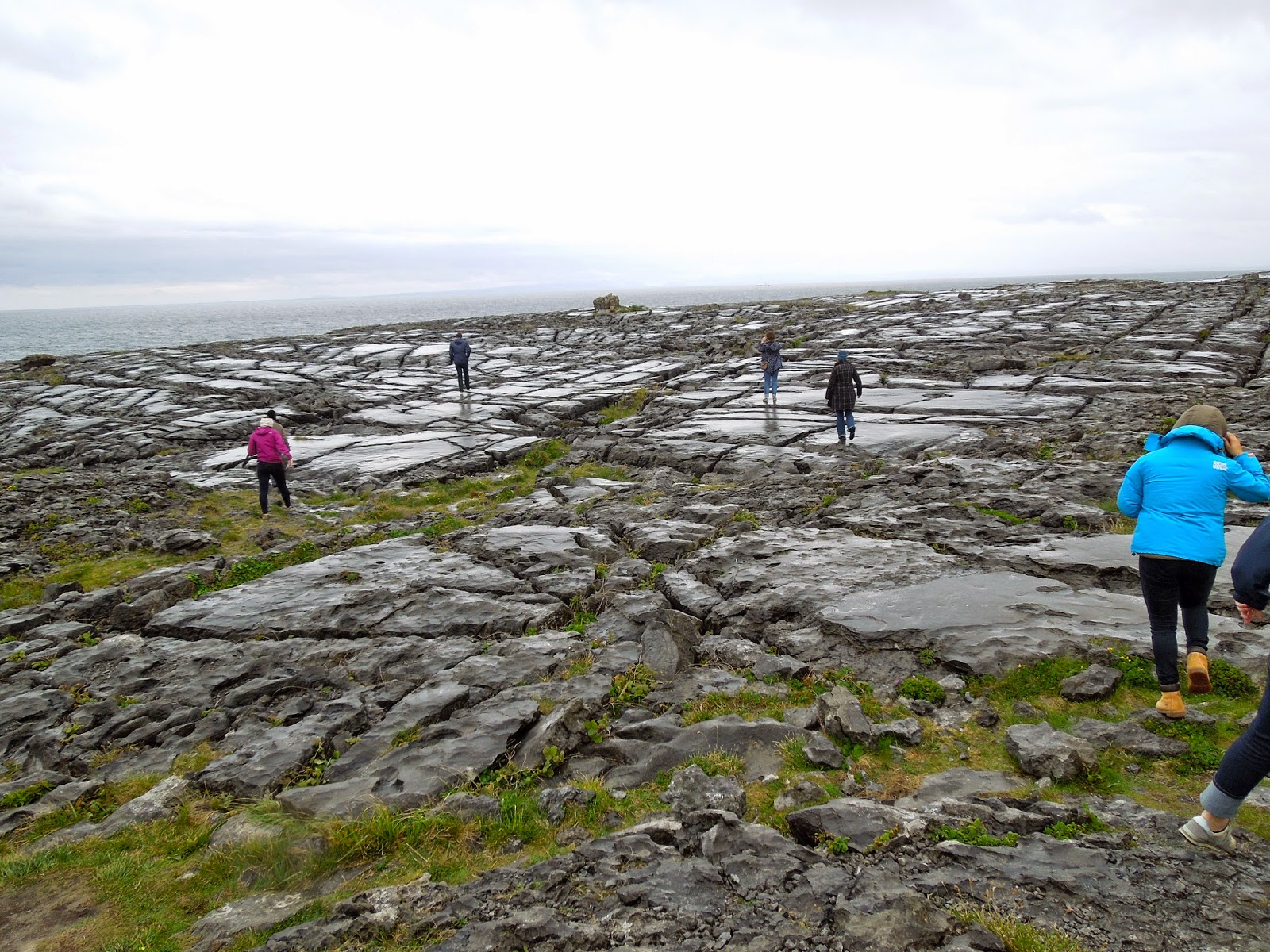
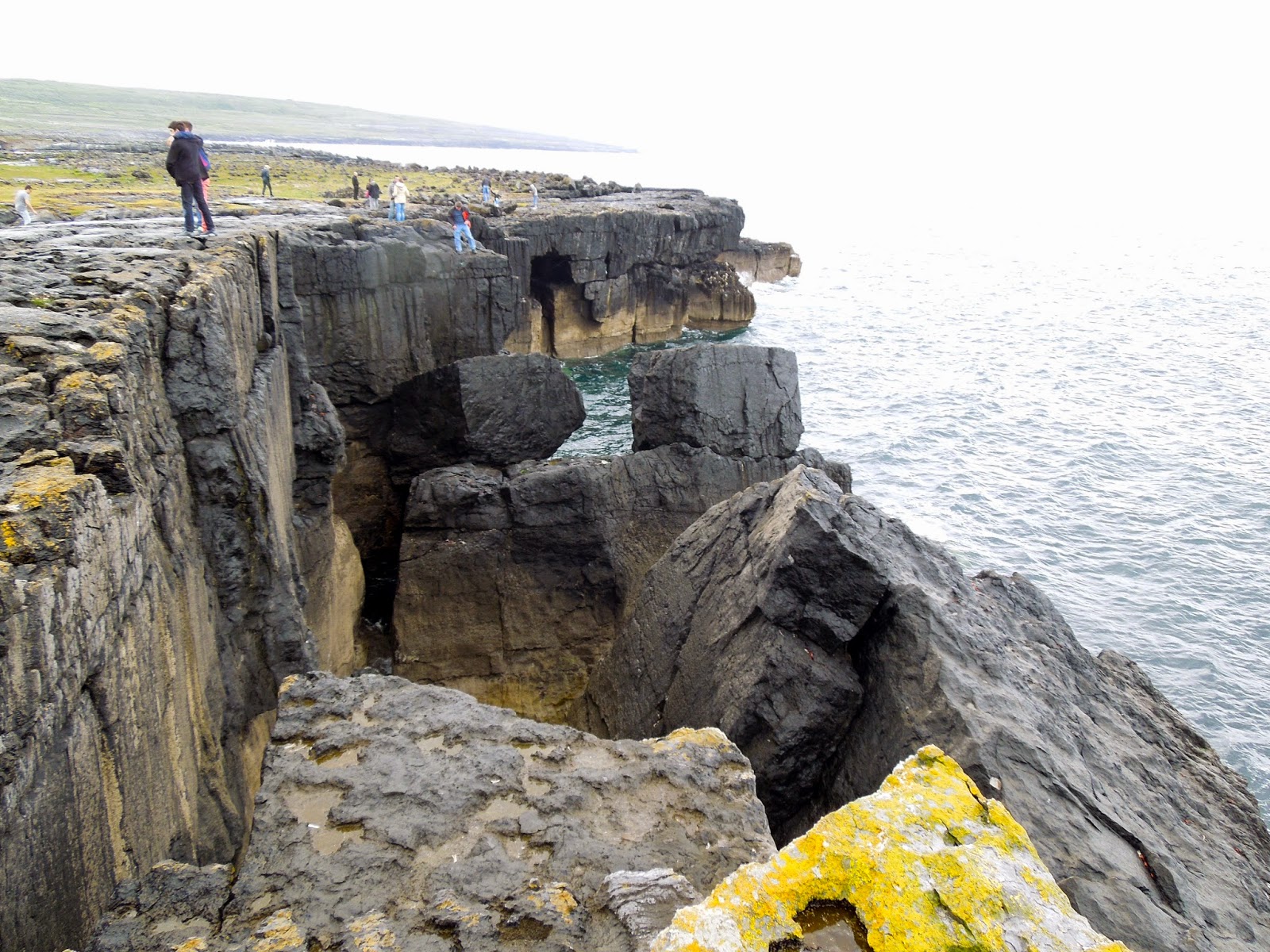
 After leaving the Cliffs we journeyed on to the quaint village of Doolin where we had lunch in a traditional Irish pub. Following lunch we drove through Burren National Park and making a stop at Giant’s Causeway. Burren is a vast limestone region, suggestive of lunar landscape, containing rare flowers. The Giant’s Causeway is an area of approximately 40,000 interlocking basalt columns, the result of an ancient volcanic eruption. The tops of the columns form stepping stones, which lead from the cliff, foot and disappear under the sea. Many of the columns are hexagonal and the tallest are approximately 39 feet high. The solidified lava in the cliffs is 92 feet thick in places. 
Burren National Park
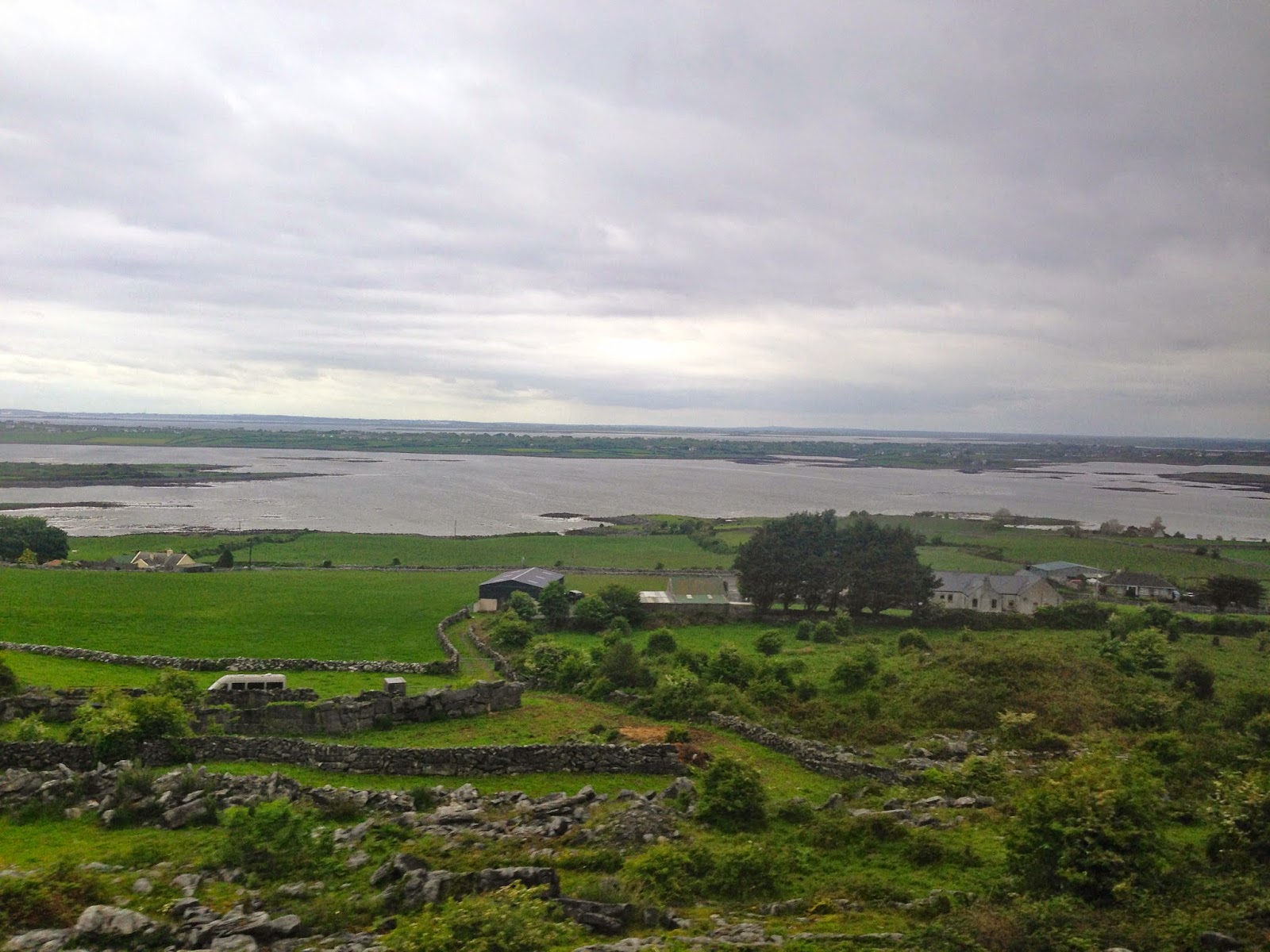
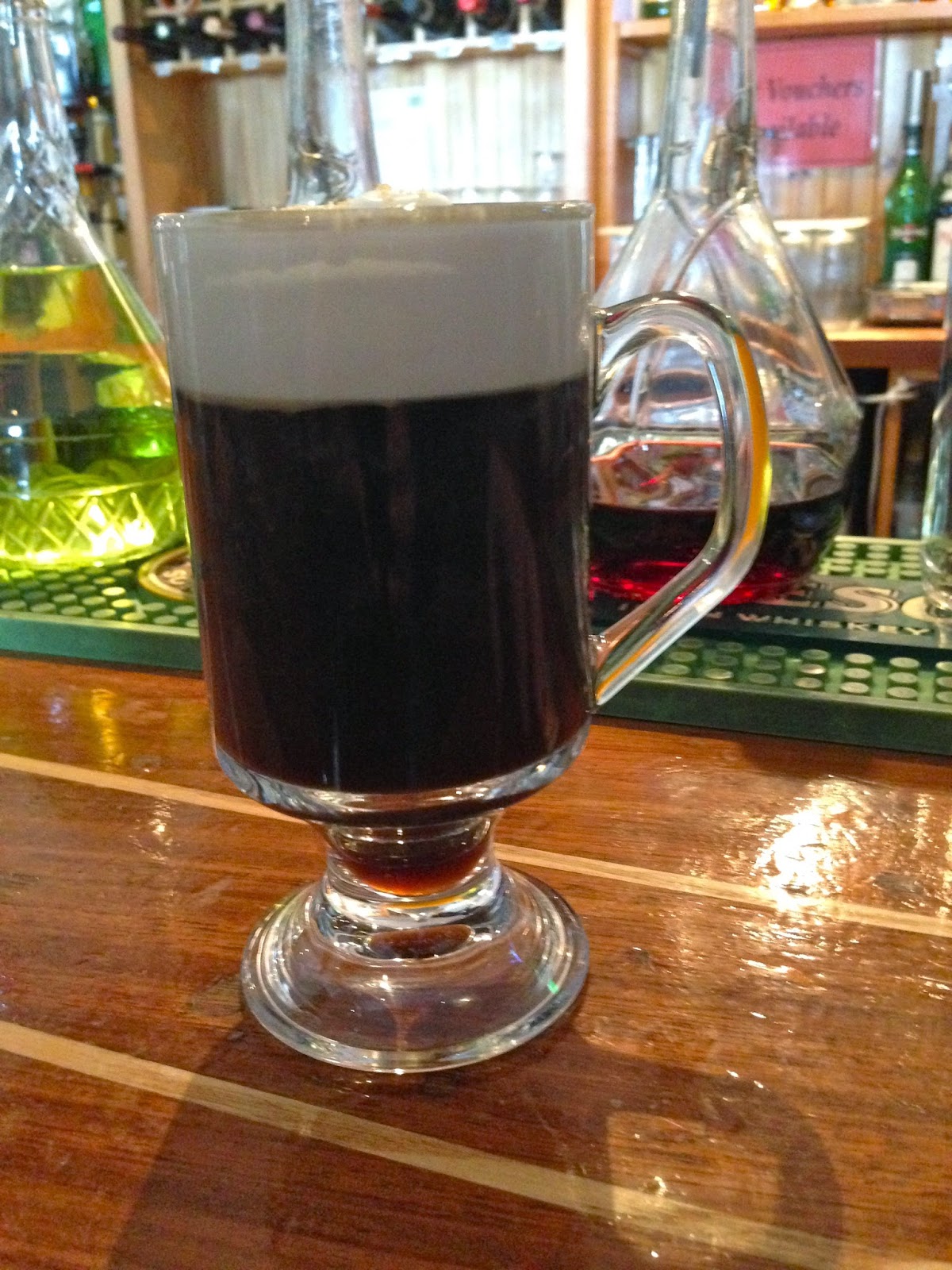
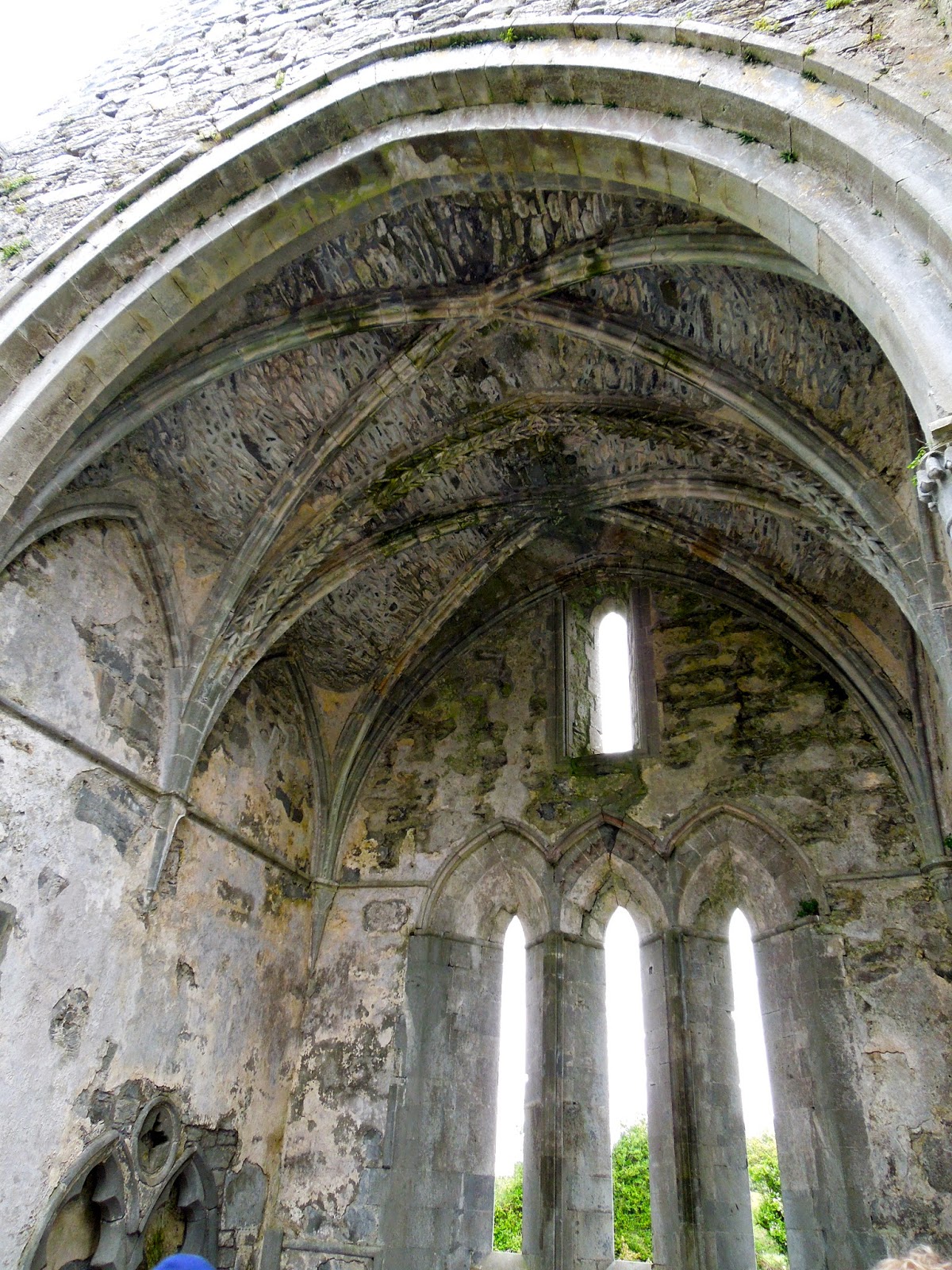
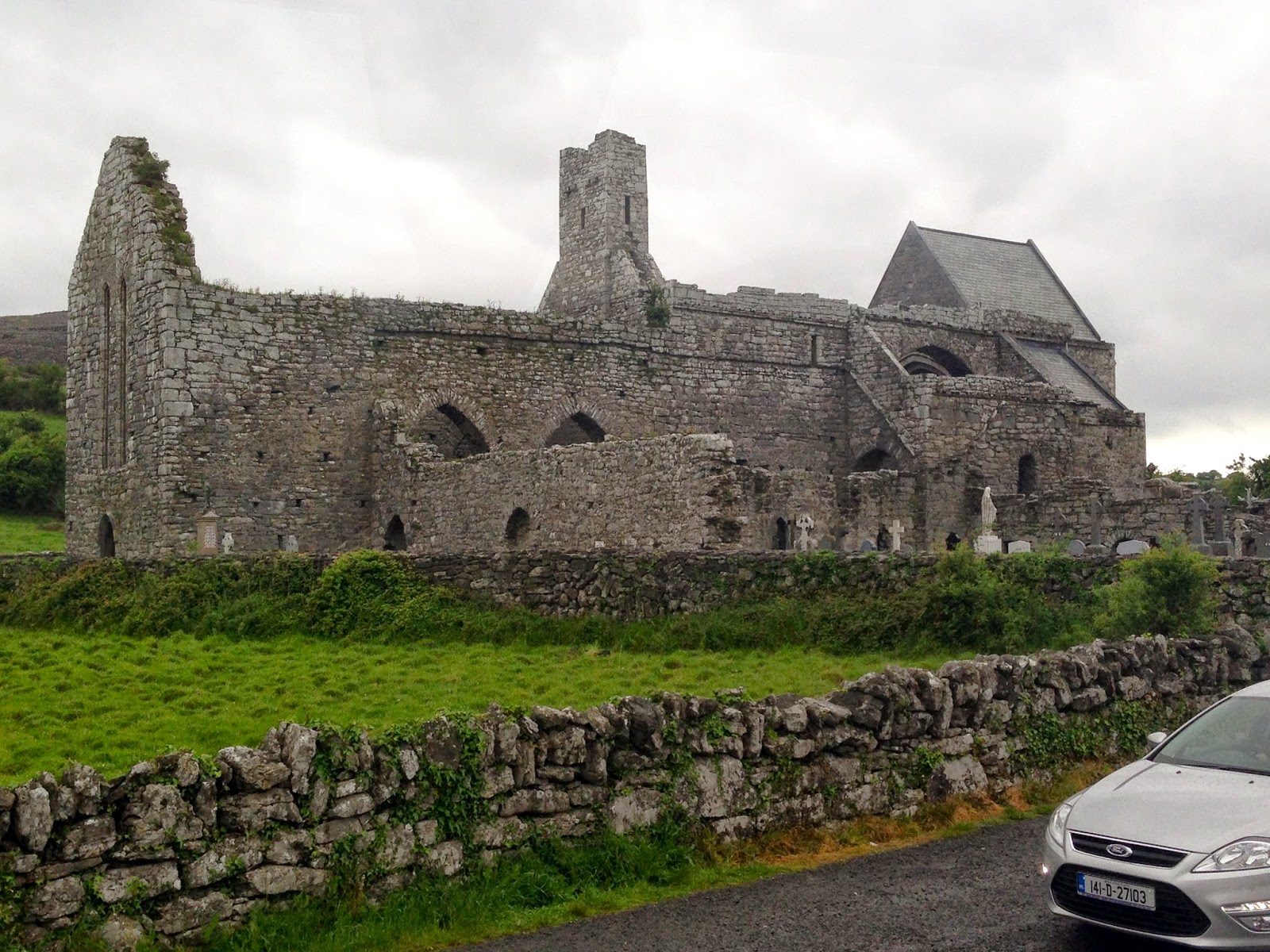
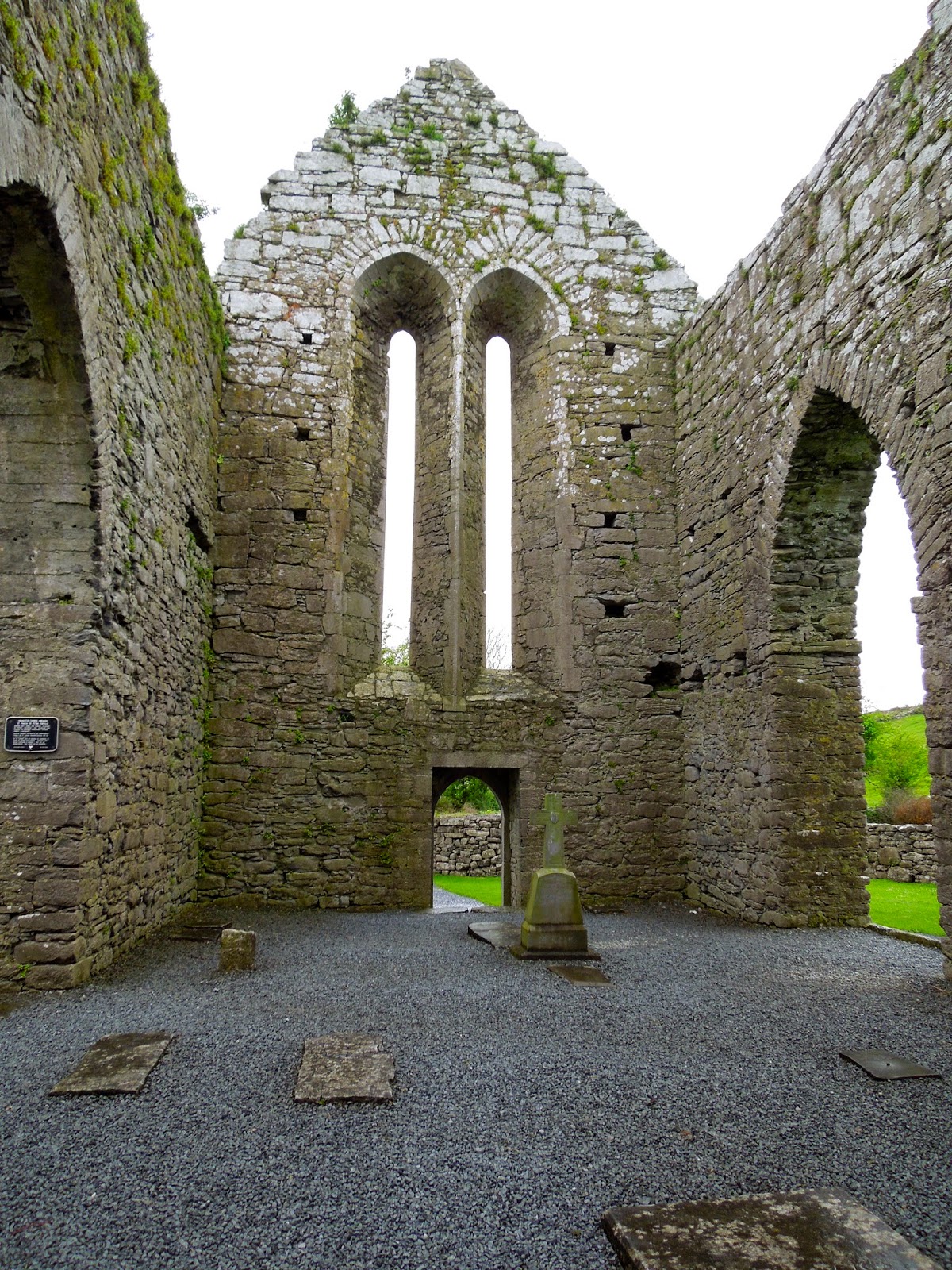
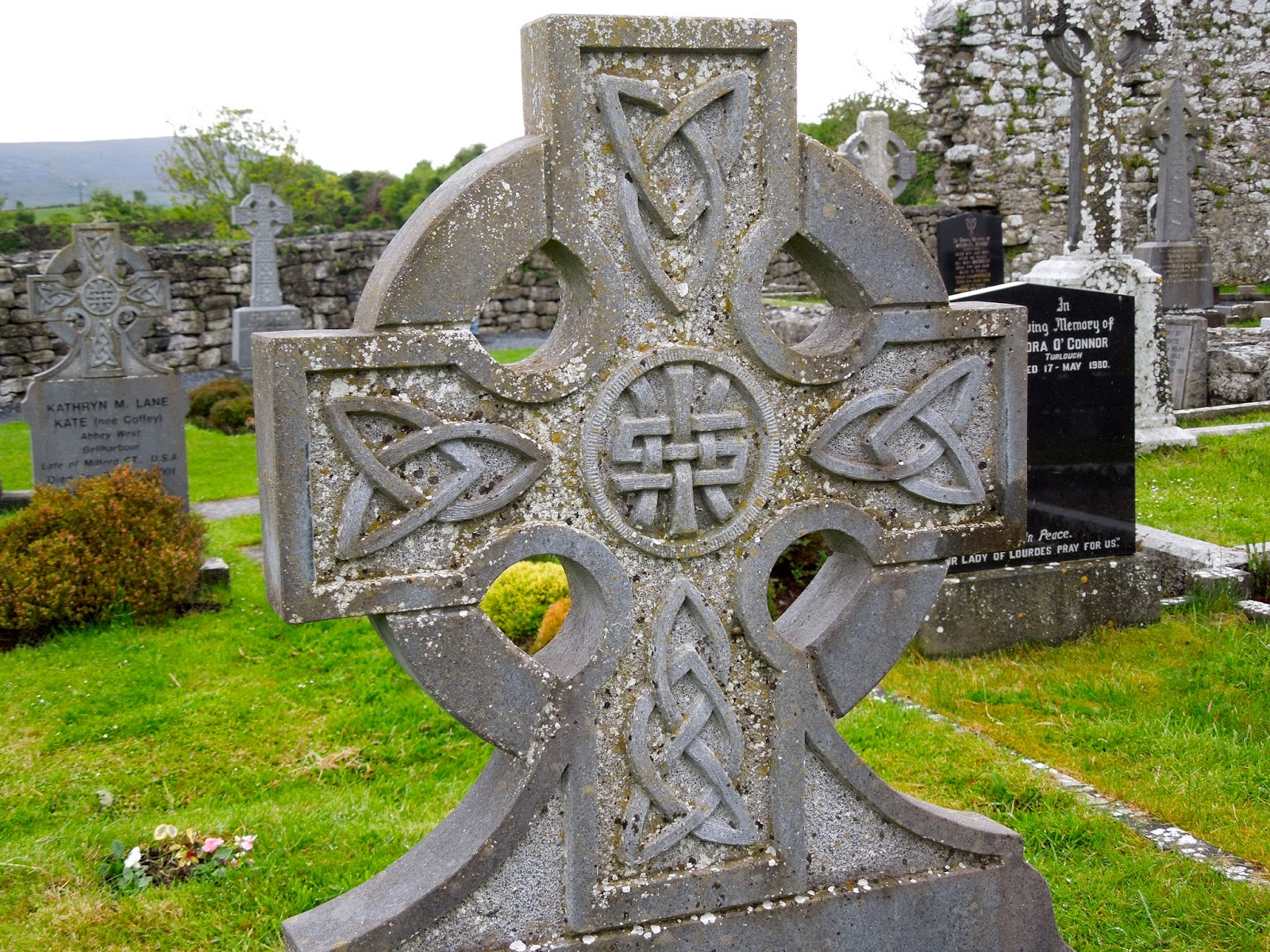
 Our next stop was for an Irish coffee in the nearby Galway Bay. The bay is about 31 miles long and 6 miles wide. The city of Galway is located on the northeast side of the bay. The last stop we made after leaving Galway and returning to Dublin was the ruins of Corcomroe Abbey. The early 13th-century abbey is renowned for its detailed carvings and other rich ornamentation, which are not commonly found in structures from this period.  The abbey features a typical cruciform church facing east, with a small chapel. Construction on the abbey is believed to have taken place sometime between 1205 and 1210 using local limestone. Today a cemetery and the ruins of the chapel remain. 
Galway Bay
Irish Coffee


Corcomroe Abbey


Ruins of Corcomroe Abbey


Ruins of Corcomroe Abbey


Ruins of Corcomroe Abbey


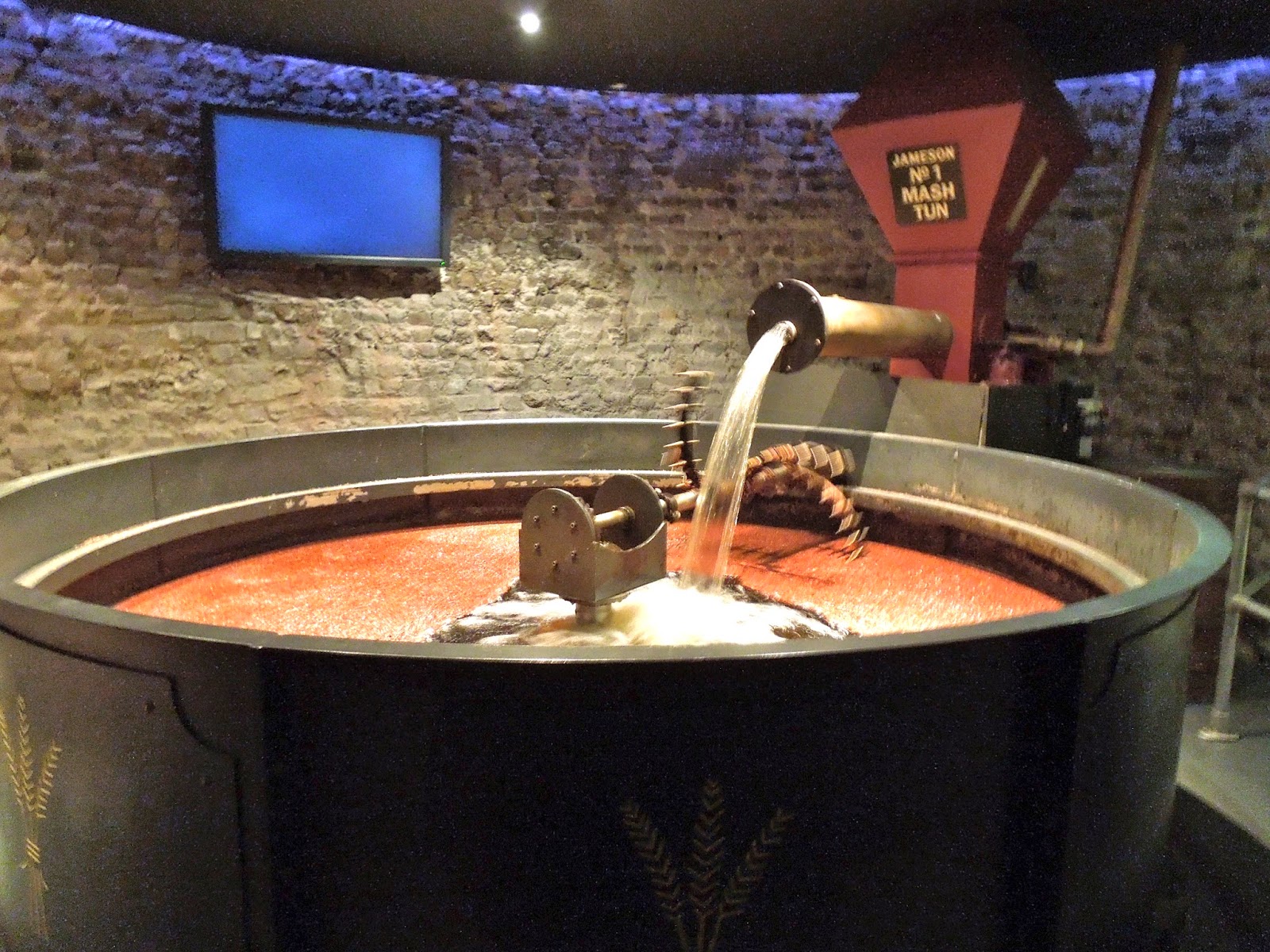
 Sunday was our last full day in Dublin. We spent the day using the hop on hop off bus to get around the city. One of our stops was the Old Jameson distillery, which was founded by John Jameson in 1780. Today the Jameson distillery is no longer an actual distillery but a refurbished one that serves as a museum. At the museum we were taken on a guided tour, which told the story of the creation of the Jameson brand and took us through a step-by-step visualization of how Jameson whiskey is made.
Jameson Distillery
Jameson Distillery Tour
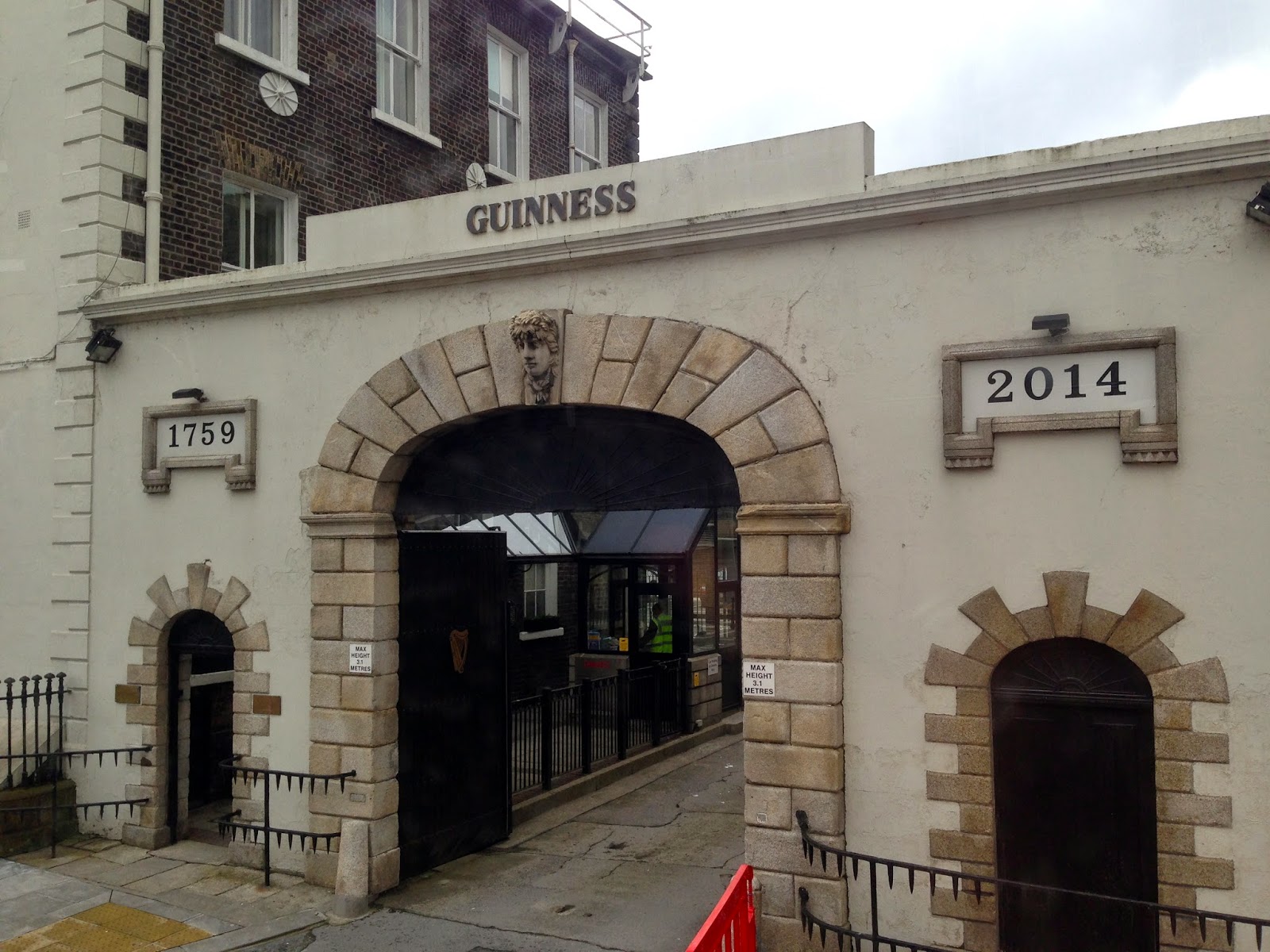
 Another popular stop on the bus route is the Guinness Storehouse. We didn’t take the time or pay to go on the tour during our visit to Dublin. Instead we marveled at the building and took in the history of the company presented to us on the bus. The company was founded by Arthur Guinness in 1759 and covers a 60-acre site. The building in which the Storehouse is located was constructed in 1902 as a fermentation plant and was converted into a Storehouse in 1997. Since opening as a tourist attraction in 2000, the storehouse has received over four million visitors. 
Guinness
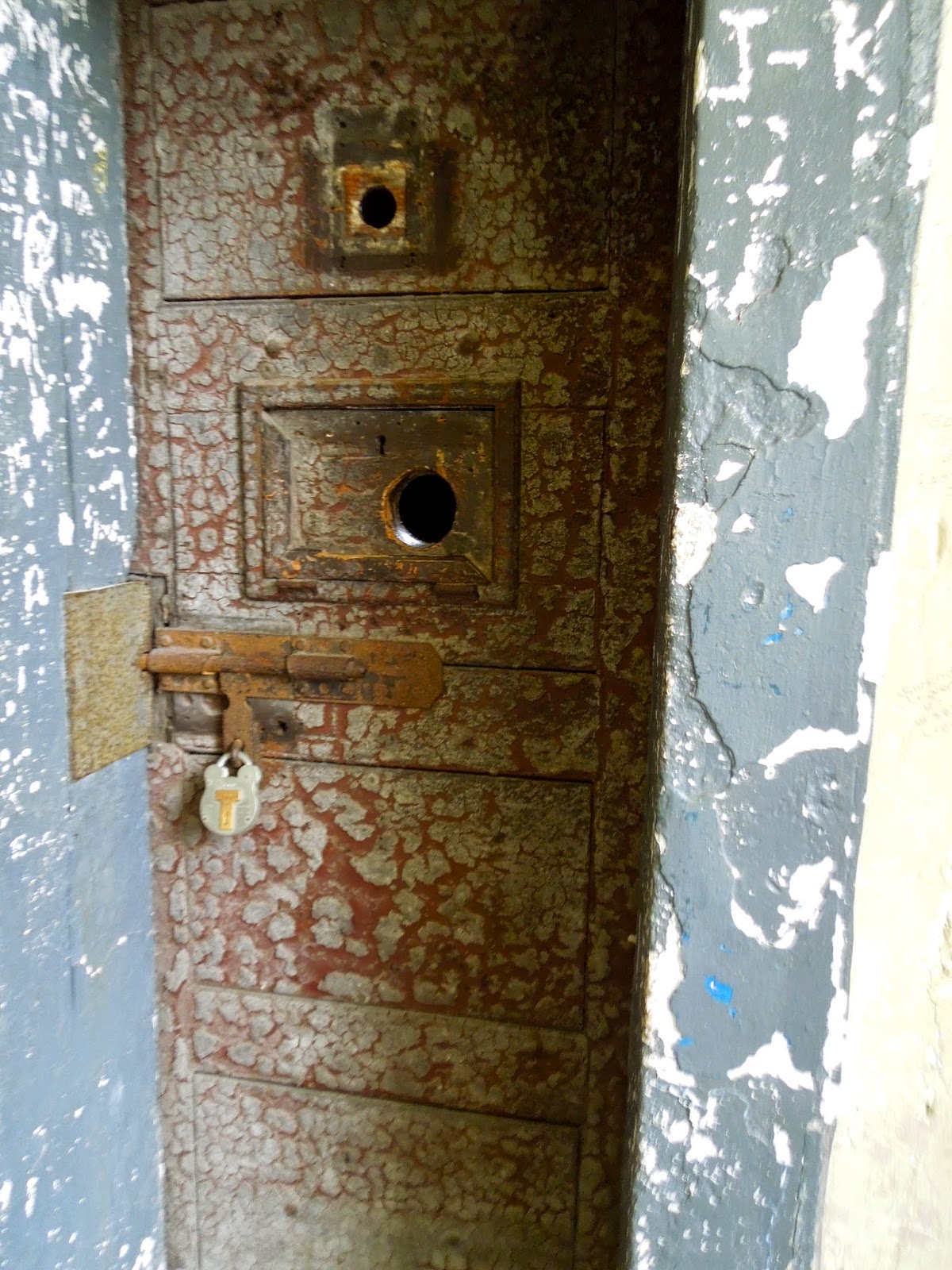
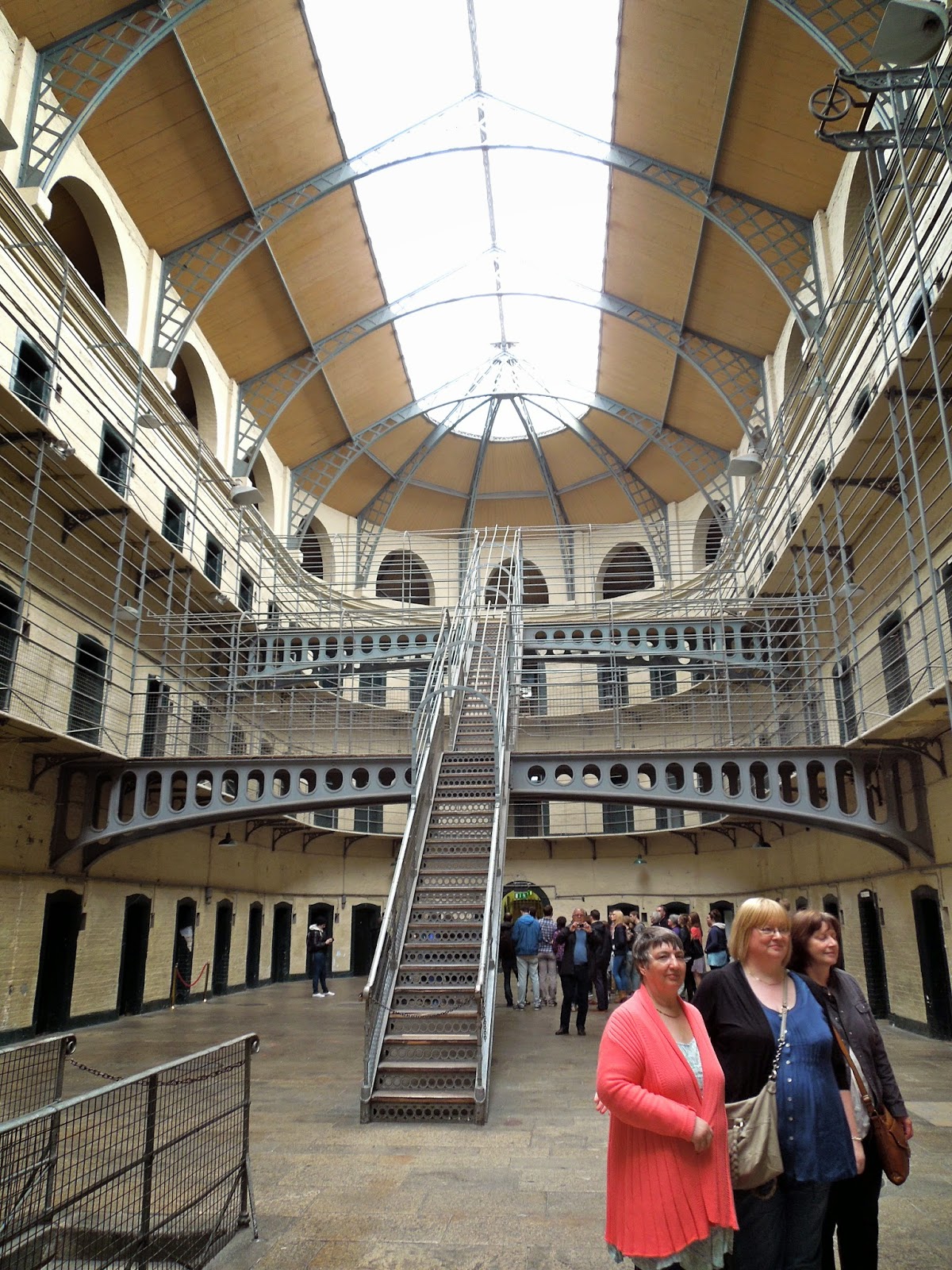
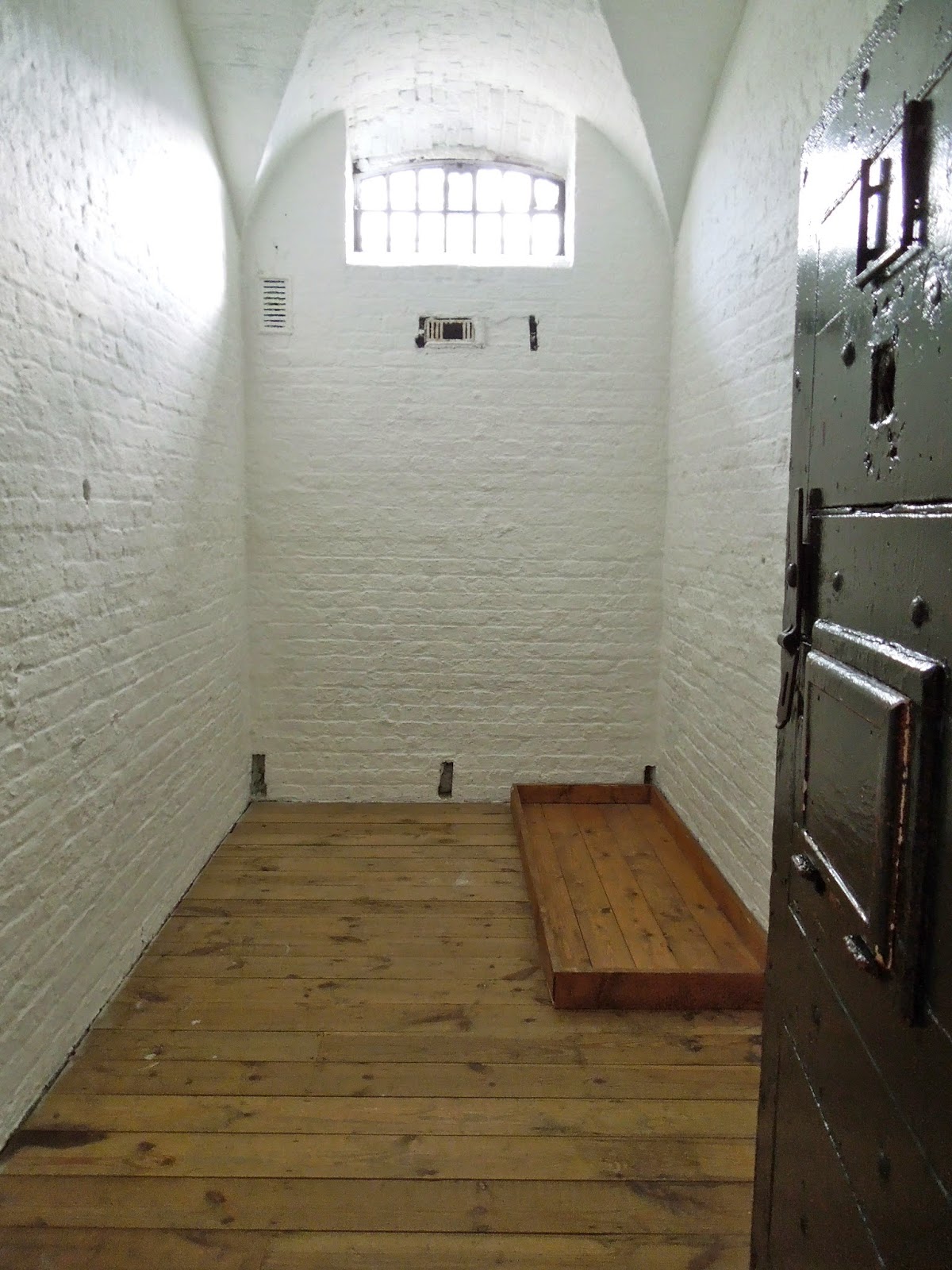
 The most unique attraction we visited while in Dublin was Kilmainham Gaol. Kilmainham is a former prison which played an important part in Irish history, as many leaders of Irish rebellions were imprisoned and some executed in the prison by the British and the Irish Free State. The Gaol was built in 1796. During this time there was no segregation of prisoners: men, women and children were incarcerated up to five in each cell measuring roughly 28 square meters. Children were sometimes arrested for petty theft; the youngest prisoner recorded was seven. Poor conditions in which women prisoners were kept encouraged the next stage of development at the prison. Kilmainham Gaol was decommissioned as a prison by the Irish Free State government in 1924. The final restoration of the site was completed in 1971 when the Gaol chapel was re-opened to the public. Today Kilmainham is one of the largest unoccupied prisons in Europe. After looking at artifacts in the museum we were taken on a guided tour of the prison while our guide shared the history of the building and its more famous occupants. 
Old Part of Kilmainham Gaol
New Part of Kilmainham Gaol


Cell in New Part of Kilmainham Gaol
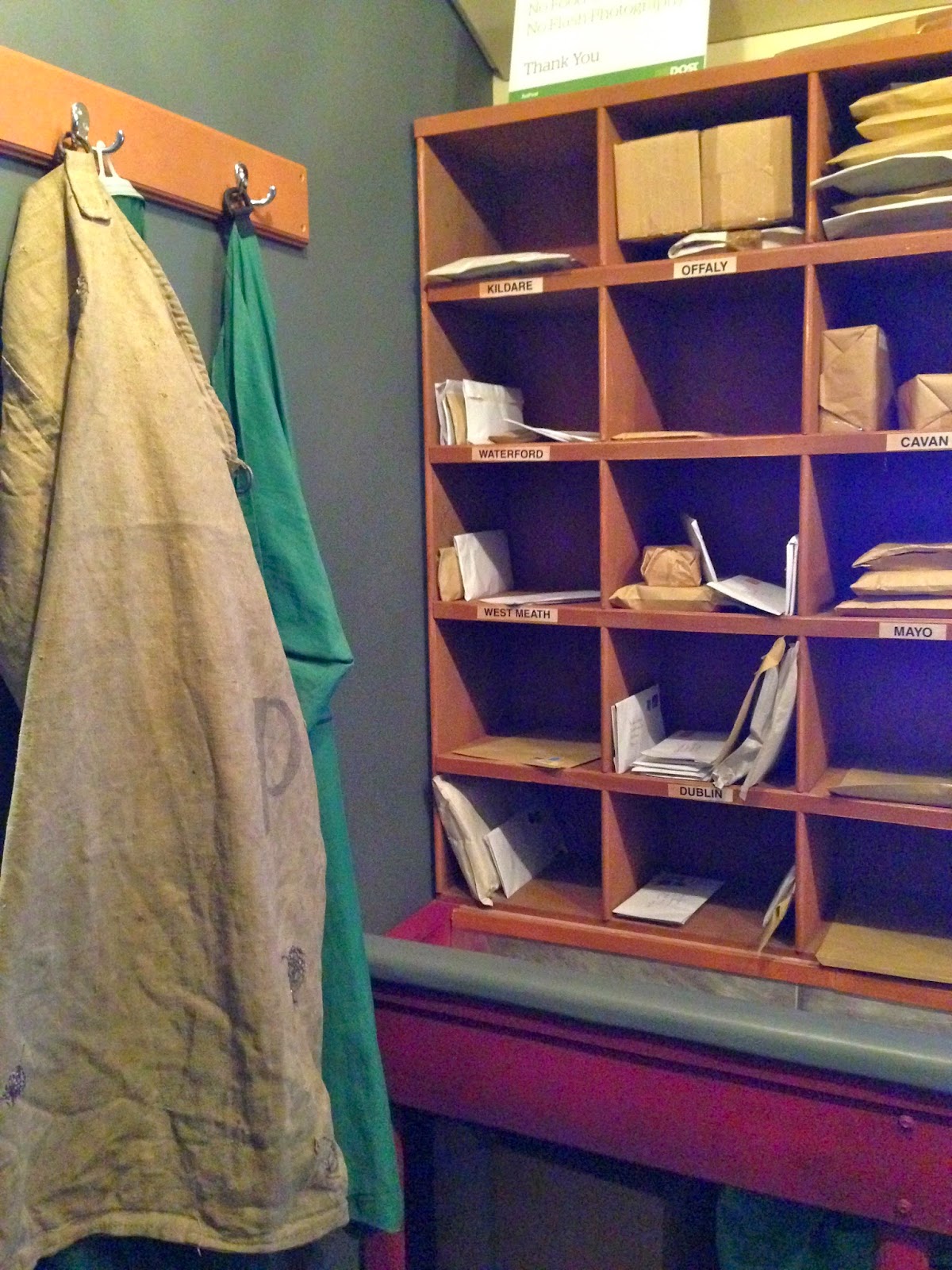
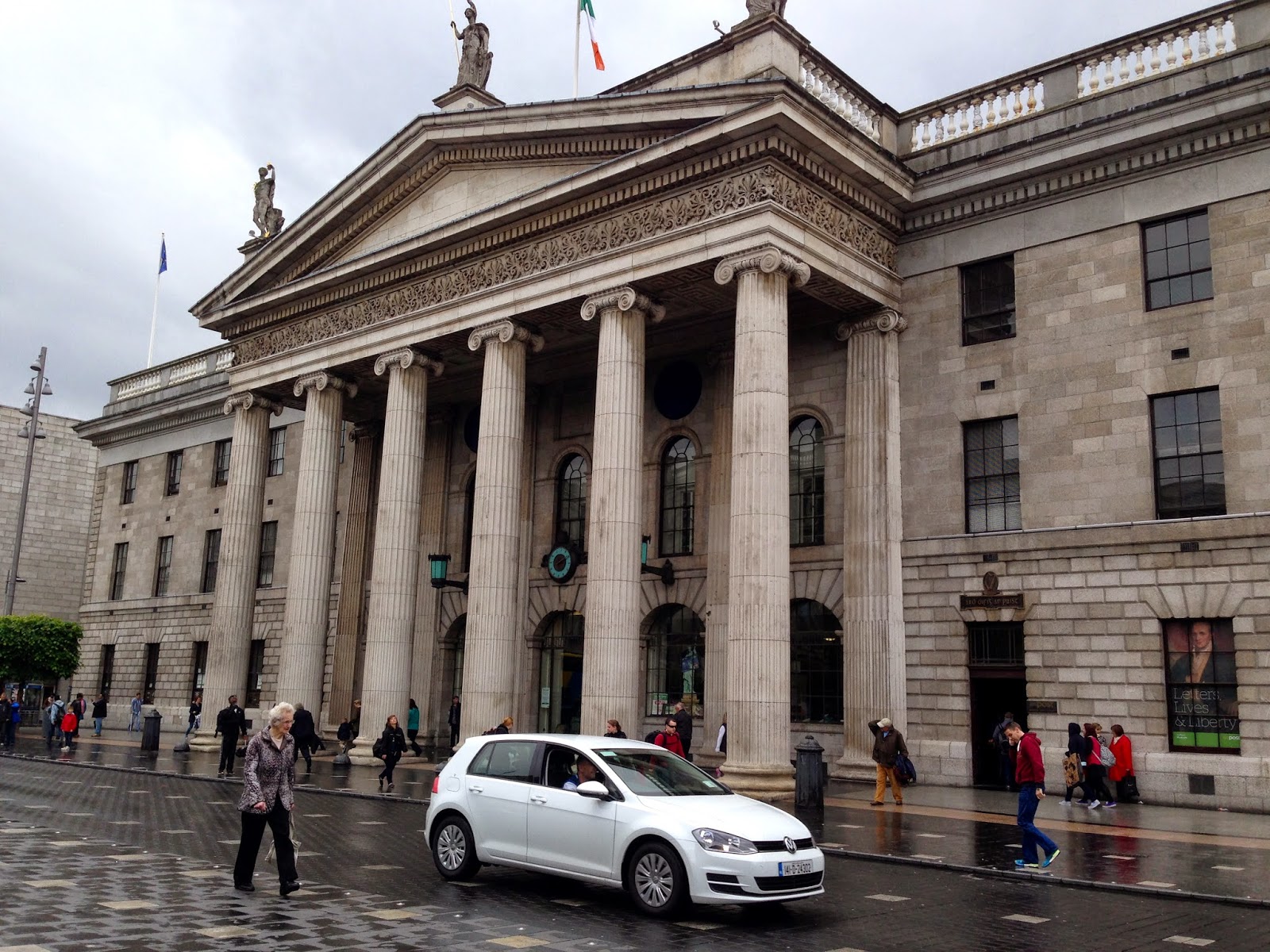
On Monday before catching our flight back to Germany we stopped at the General Post Office or GPO. Here we walked through the post office museum where we learned about the progression of stamps, the post office, mail delivery systems, and the Easter Rising. The Easter Rising or the Easter Rebellion was an armed insurrection in Ireland during Easter week in 1916. The Rising was encouraged by Irish republicans to end British rule in Ireland and establish an independent Irish Republic while the United Kingdom was heavily engaged in WWI. On Easter Monday a group of 1,200 volunteers and Citizen Army members assembled at various prearranged meeting points in Dublin. Their goal was to occupy a number of imposing buildings in the inner city.  The GPO was the nerve center of the rebellion.  Despite the great odds against them, the Irish patriots held out for about a week. In total, the Rising cost 450 persons killed, 2,614 injured, and 9 missing, almost all in Dublin. Following the Rising the incompetence of the British government and the arrests of thousands of men only served to arouse the hatred for the English among the Irish population. The men who were executed were regarded as martyrs. If the British had handled the situation appropriately, the Irish radical cause could have received a severe setback.

GPO Museum
GPO Building

Irish Countryside